
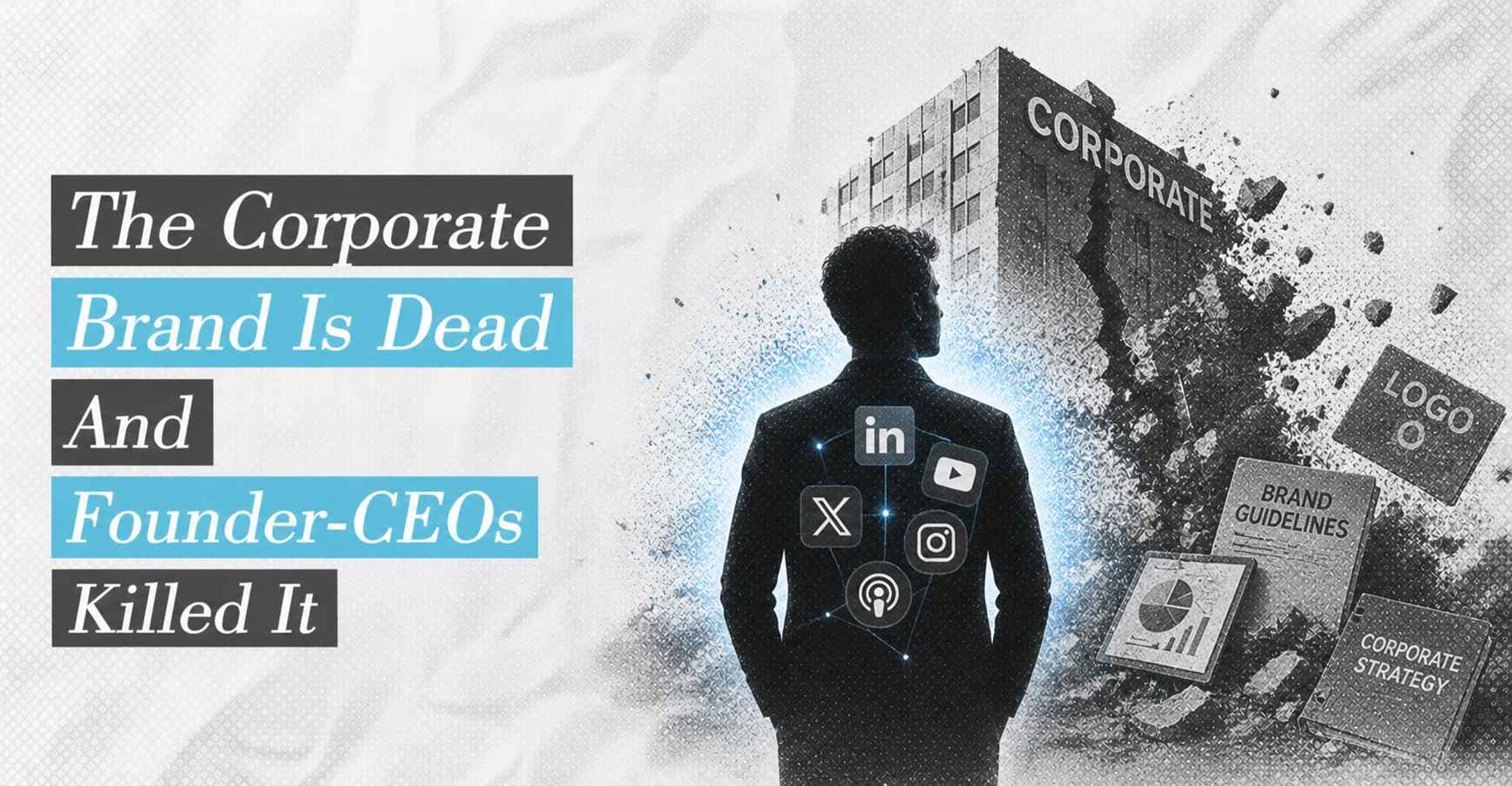
AJ Kumar argues the corporate brand became a liability the moment the channels widened. The founder who shows up as themselves is not being brave. They are running the only playbook that fits the new physics.
Key Takeaways
Marc Andreessen describes the 80-year reign of corporate communication as "synthetic, plastic, and boring" with CEOs prized for making no news
Ben Horowitz says one early a16z partner nearly left after a misinterpreted article because no distribution channel was wide enough to correct it
Elon Musk's 2018 "funding secured" tweet cost Tesla and its CEO $40 million in SEC fines and triggered permanent regulatory oversight
The "Joe Rogan CEO" archetype includes Alex Karp at Palantir and Palmer Luckey at Anduril, executives who sustain three-hour unscripted conversations
a16z built a media division and a fellowship that received roughly 2,000 applications for 65 spots to push founders into direct distribution
The Founder Signal framework holds that founders should evolve from expressive to intentional, not from human to corporate
Why Corporate Brand Spent 80 Years Saying Nothing on Purpose
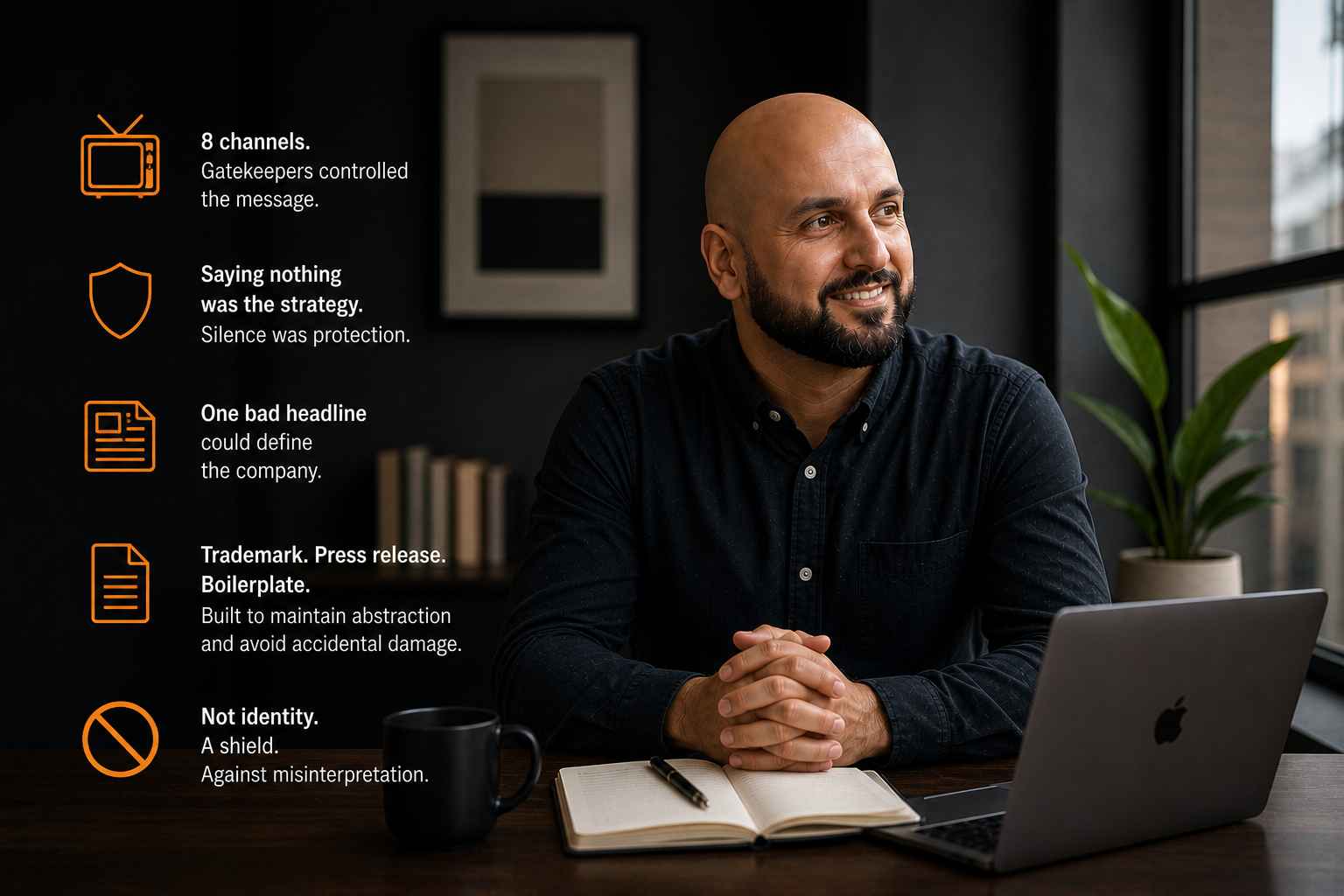
The corporate brand was built for a world with eight channels. Television networks. Major newspapers. Trade magazines. The path to a mass audience ran through a small number of gatekeepers. Each one could define a company through one bad headline. Every public message had to be compressed into the least offensive version possible.
Marc Andreessen describes the 80-year reign of corporate communication as "synthetic and plastic and boring." He recalls sitting on a board where the CEO walked off stage thrilled that he had "made no news." In that environment, saying nothing was the mission accomplished. The corporate brand was not a signal of identity. It was a shield against misinterpretation.
That made sense when one mistake in the Wall Street Journal could permanently define the company. The safest strategy was to give journalists nothing to misread. The trademark, the press release, the boilerplate. All of it was built to maintain the abstraction and protect the digital surface from accidental damage.
The Day the Old Shield Cost a16z a Partner
Ben Horowitz tells a story about the cost of relying on the old shield. Early in a16z's history, a major newspaper obtained leaked fund results and misinterpreted the data. The early funds were performing well. The newer funds were a year old, which is when venture capital does not yet generate returns. The article framed those newer funds as failures.
The damage was immediate. Horowitz says one partner came close to leaving the firm because he believed the article had killed the business. The firm responded with blog posts and public statements. None of it landed. Old media was still powerful enough that one article defined the narrative. No distribution channel was wide enough to correct it.
The defense had a thousandth of the audience of the original attack. The reach asymmetry was permanent. In that media environment, the old shield made sense even when it failed. There was no alternative to manage.
What Changed: The Funnel Got Wider Than the Wall Street Journal
The asymmetry has reversed. Horowitz points out that he and Andreessen could now appear on 30 podcasts. Each one reaches a larger audience than the publications that once held permanent power. They would not even need to address the original misinterpretation. They could publish something more interesting and erase the old narrative from collective memory.
The physics of media flipped. Horowitz captures the entire shift in one principle. Old media is defense oriented. In new media, offense is always better than defense. Old media tries to please every audience. New media only cares about being interesting. When in doubt, flood the zone.
A founder who produces enough high-signal content across enough channels does not manage perception. They define it. The corporate shield became the corporate liability the moment the funnel opened and stayed open. Boards still treating founder communication as a defensive function are running an old playbook in a different game.
The Tax of Tweeting Like a Founder Without Being Ready
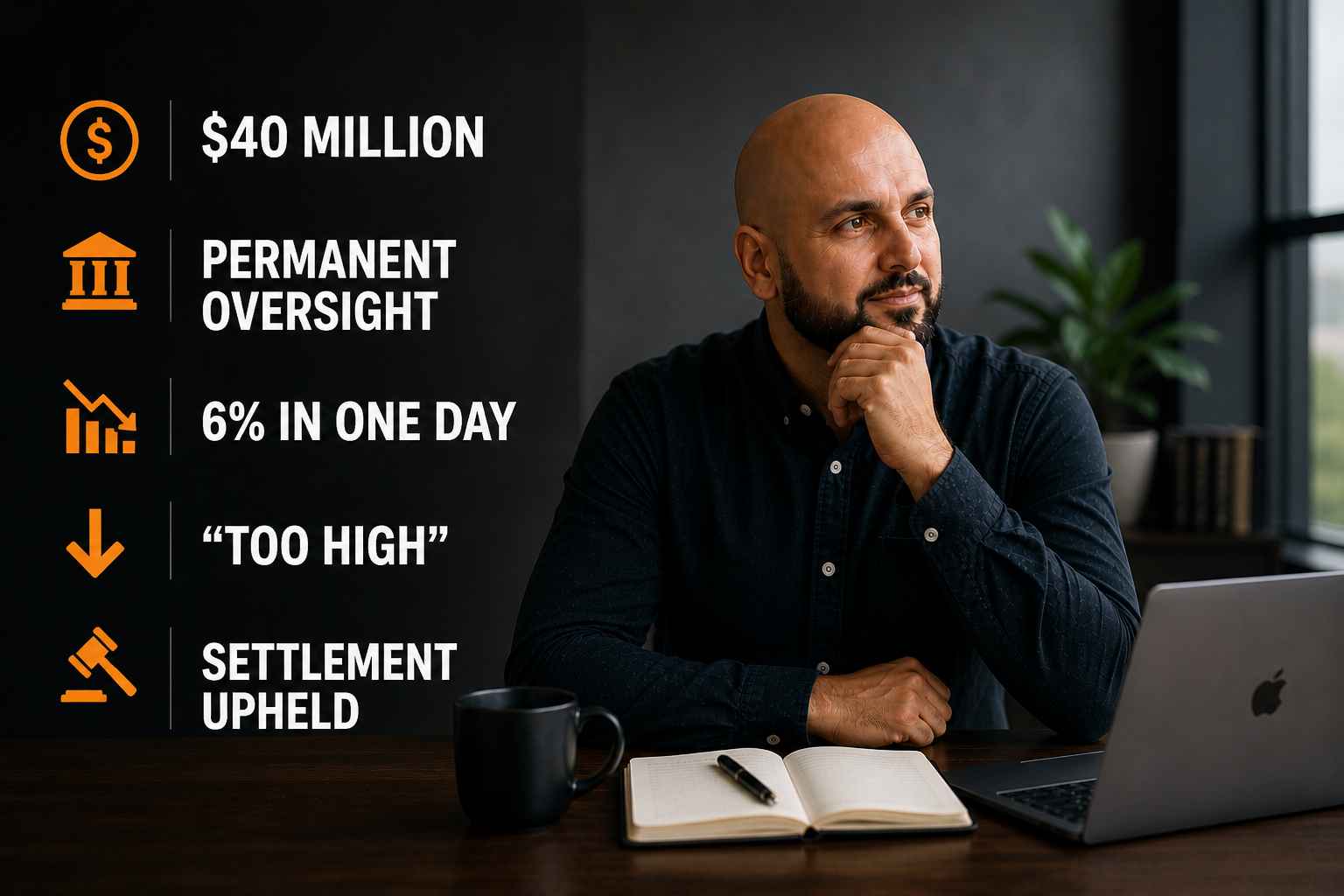
Wider channels reward presence. They also amplify mistakes. Elon Musk's "funding secured" tweet in 2018 cost Tesla and its CEO a combined $40 million in SEC fines. It also triggered permanent regulatory oversight of certain Tesla-related social media posts. A single tweet moved Tesla's stock price more than 6 percent in one day. The SEC called it "significant market disruption."
The pattern repeated. Musk later tweeted that Tesla's stock price was "too high," and the stock dropped immediately. A federal appeals court upheld the original SEC settlement. One of the most valuable companies in the world now operates with a governance tax. It was created by an ungoverned personal feed.
This is the cost of confusing the founder game with the creator game. Creators monetize controversy because controversy drives views. Founder-CEOs monetize confidence. Hot takes compressed into 140 characters create regulatory liability instead of authority. The right format protects what the wrong format destroys.
The Joe Rogan CEO and What the Market Now Rewards
A new archetype emerged. Jordy from TVPN coined the term "Joe Rogan CEO." It describes a founder interesting enough to sustain a three-hour unscripted conversation. Alex Karp at Palantir. Palmer Luckey at Anduril. These are executives who generate conviction through personality and depth, not through polished corporate messaging.
The Joe Rogan CEO does not optimize for being inoffensive. They optimize for being undeniable. The audience that matters at the founder level is not looking for a brand voice document. They are looking for a person who can hold a long conversation under pressure and emerge more credible, not less.
Andreessen frames the structural reason. To be a founder, you must have an original idea. Original ideas are interesting by nature. Professional CEOs reach their positions through optimization for what is not wrong with them, not what is right. The market now rewards the trait professional executives spent decades training out of themselves.
The Founder Signal: Expressive to Intentional, Not Human to Corporate
I see a mistake repeating across enterprise founder-CEOs at scale. They believe their content has to become more polished and corporate as the company grows. The opposite is true. The authority dilutes the moment the founder starts sounding like a brand guideline.
I learned this firsthand. In the early years of Single Grain, I watched founders try to push their company through their company's brand. The content got polished. The audience disappeared. The moment we shifted to founder voice, distribution returned. That was the first time I understood the shield was the obstacle, not the protection.
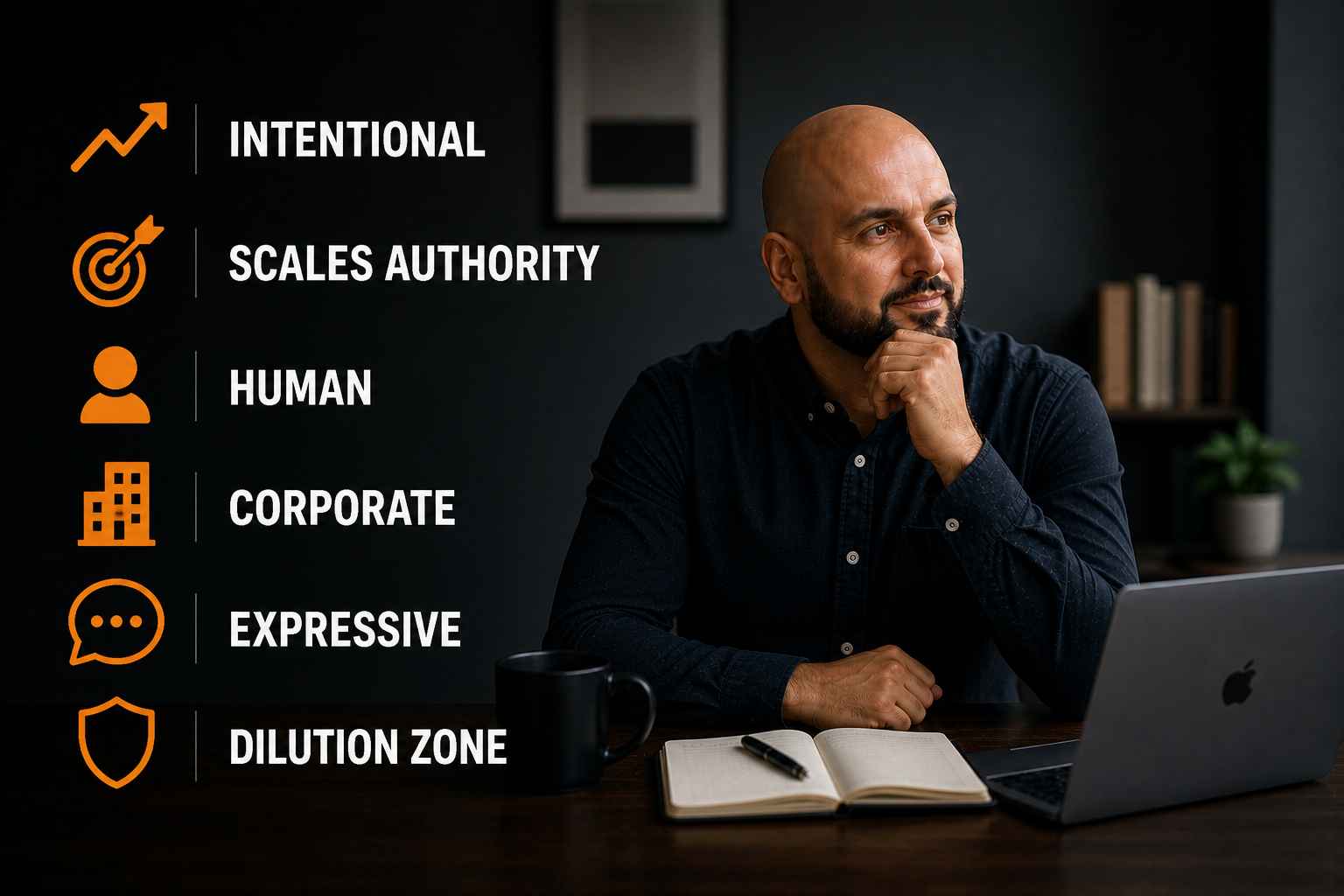
I write about this in GURU, INC. through a framework I call The Founder Signal. Founders evolve along two axes. Expressive to intentional describes the move from raw to deliberate. Human to corporate describes the move from personal to abstracted. The first axis scales authority. The second axis kills the asset.
A founder at $1 million in revenue posts whatever crosses their mind. A founder at $100 million in revenue posts deliberately. The voice becomes more intentional, not more corporate. The polish increases. The personality does not decrease. The personal media company becomes more refined, not less human. At scale, content should not become more corporate. It should become more meaningful.
a16z Treats Distribution as a Portfolio Asset
A16z stopped treating founder media as personal preference. The firm built a full media division to push portfolio CEOs toward direct distribution. They created a launch-as-a-service product that produces custom announcement content across platforms.
They opened a new media fellowship that received roughly 2,000 applications for 65 spots. They hired platform-native creators, some straight out of high school. Those creators understand the grammar of each channel in ways traditional PR teams do not.
Andreessen tells the story of the Applied Intuition founder. He had never tweeted and wondered why nobody talked about his company. His first tweet after a16z pushed him to post received 4,000 likes. The audience was already there. He had not claimed it.
One of the most influential venture firms now treats founder media as a portfolio strategy. That is not a content trend. That is a capital allocation signal. The firm priced founder visibility as a competitive moat at the company level and invested infrastructure to support it. The boards that still treat founder content as overhead are misreading what their own best investors already know.
The Old Playbook Stopped Working. Most Boards Have Not Noticed.
The corporate brand worked when distribution was narrow. The shield made sense when one bad article could permanently define a company. Both conditions are gone. The funnel is wider than any single publication. The asymmetry runs in the founder's favor now if the founder shows up.
The founder-CEO who shows up as themselves is not being brave. They are being rational. They are running the only playbook that matches the actual physics of media in 2026. The founder-CEO who stays silent is running a playbook built for an environment that stopped existing two decades ago.
A16z saw this and built infrastructure. The Joe Rogan CEO archetype is the new reference point. The research confirms what works. The boards still benchmarking founder visibility against Musk are picking the wrong outlier. The boards still classifying founder content as marketing are misreading the line item. The corporate brand was a workaround for narrow channels. The founder is the asset for wide ones.
Frequently Asked Questions
Why is the corporate brand failing now?
The corporate brand was built for a media environment with narrow distribution channels. Audiences had no direct access to leadership. Now that founder-CEOs reach larger audiences than legacy publications, the corporate abstraction has become an obstacle. It blocks the direct trust audiences expect.
What is a Joe Rogan CEO?
A Joe Rogan CEO is an executive interesting enough to sustain a three-hour unscripted conversation. The term was coined by Jordy from TVPN. It captures founders like Alex Karp at Palantir and Palmer Luckey at Anduril. They generate conviction through depth and personality, not polished corporate messaging.
How does The Founder Signal framework work?
The Founder Signal describes how founders evolve along two axes. Expressive to intentional, which scales authority. Human to corporate, which kills it. Most founder-CEOs make the wrong move at scale by adding corporate polish instead of intentional clarity.
Why did Elon Musk's tweets cost Tesla $40 million?
The 2018 "funding secured" tweet violated SEC disclosure rules. It triggered a $40 million combined fine and permanent regulatory oversight of certain Tesla-related posts. A federal appeals court upheld the original settlement, making the governance overhang permanent.
What is a16z's founder go-direct strategy?
A16z built a media division, a launch-as-a-service product, and a new media fellowship. The goal is to push portfolio founders into direct distribution. The firm treats founder visibility as a competitive moat at the company level, not a personal preference.
Should B2B companies still invest in corporate brand?
Yes, but the corporate brand should sit downstream of the founder, not above it. Logos, websites, and brand guidelines still matter for consistency. They no longer carry the trust signal alone. The founder produces the trust. The corporate assets distribute it.