


AJ Kumar breaks down four real case studies, Neil Patel, Kimberly Snyder, Warren Phillips (NonToxicDad), and Alex Hormozi, showing how a brand created the foundation that made every other moat possible, and introduces the Brand Moat Framework that separates a real competitive advantage from a social media presence.
Key Takeaways:
Products get copied. Features get commoditized. Pricing gets undercut. Brand is the only thing that cannot be reverse-engineered.
A brand does not just create awareness. It creates a compounding loop: brand → distribution → data → product depth → switching costs → stronger brand.
The brain is wired to conserve energy. When a brand becomes the default, the brain stops evaluating alternatives. That is why competitors need to be 10x better, not 10% better.
Neil Patel built NP Digital (1,000+ employees) on a personal brand moat. Kimberly Snyder built an $8-10M ecosystem. NonToxicDad grew to 30M monthly views. Hormozi is building the Disney of business.
The Brand Moat Framework has four elements: owned distribution, category association, ecosystem depth, and compounding returns
AI can replicate products, features, and data. It cannot replicate a human brand that people trust.
Your Product Is Not Your Moat. Your Brand Is.
Most founders think that if they build something good enough, the market will protect them. Better features. Better design. Better pricing.
Anyone who has been in business long enough knows the truth: products get copied. Features get commoditized. Pricing gets undercut. The only thing that cannot be reverse-engineered is who you are and what you mean to the people you serve.
In the tech world, eight recognized moats make software companies endure: brand, distribution, network effects, data, product depth, workflow integration, ecosystem, and switching costs.
But when you look at the companies that built durable empires, the brand was not one of eight. Brand was the first moat. The one that made the other seven possible.
Why Brand Creates Gravity, and Everything Else Orbits Around It
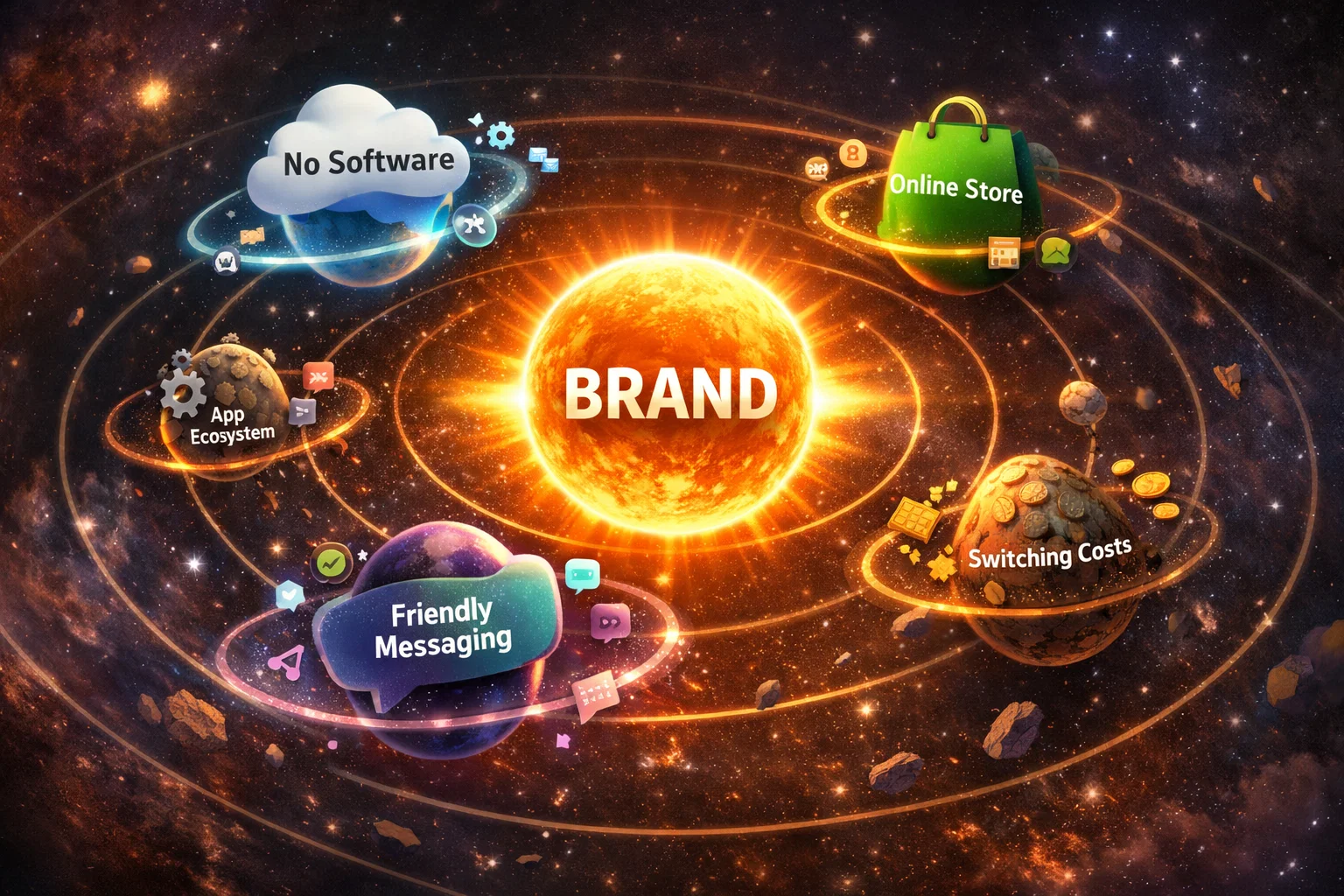
Salesforce did not start with an ecosystem of thousands of apps. It started with Marc Benioff's positioning: "No Software." He ran that message so hard that Salesforce became synonymous with cloud CRM before most companies understood what cloud-based meant. The ecosystem, workflow integration, and switching costs all came later. Built on top of a brand that already owned the category.
Shopify did not start with a partner network. It owned the mindshare around one idea: "start an online store." The app store, the developers, and the entire ecosystem grew on the back of that brand position.
Slack did not start with workflow integration. It started with personality. A product that felt different and communicated differently. Integrations and network effects compounded because the brand had already done its job.
The pattern is consistent. Brand creates gravity. Everything else orbits around it.
The Neuroscience Behind Brand Moats
The brain is wired to conserve energy. Every decision costs cognitive resources. The brain constantly searches for shortcuts.
When a brand becomes the default in someone's mind, the brain stops evaluating alternatives. Stop shopping around. The perceived risk of switching outweighs the potential benefit of trying something new.
This is why the brand is not a marketing play. It is a decision-architecture play:
You own the brand position → you reduce the buyer's cognitive load
You become the safe choice, the obvious choice
Every new touchpoint reinforces the brand → deepens other moats → makes the brand stronger
A compounding loop that a competitor cannot break without being 10x better
That gap is not created by product features. It is created by the psychological weight of a brand already embedded in how people think about the category.
Four Case Studies, Brand as the First Moat
Neil Patel, Personal Brand to Corporate Empire
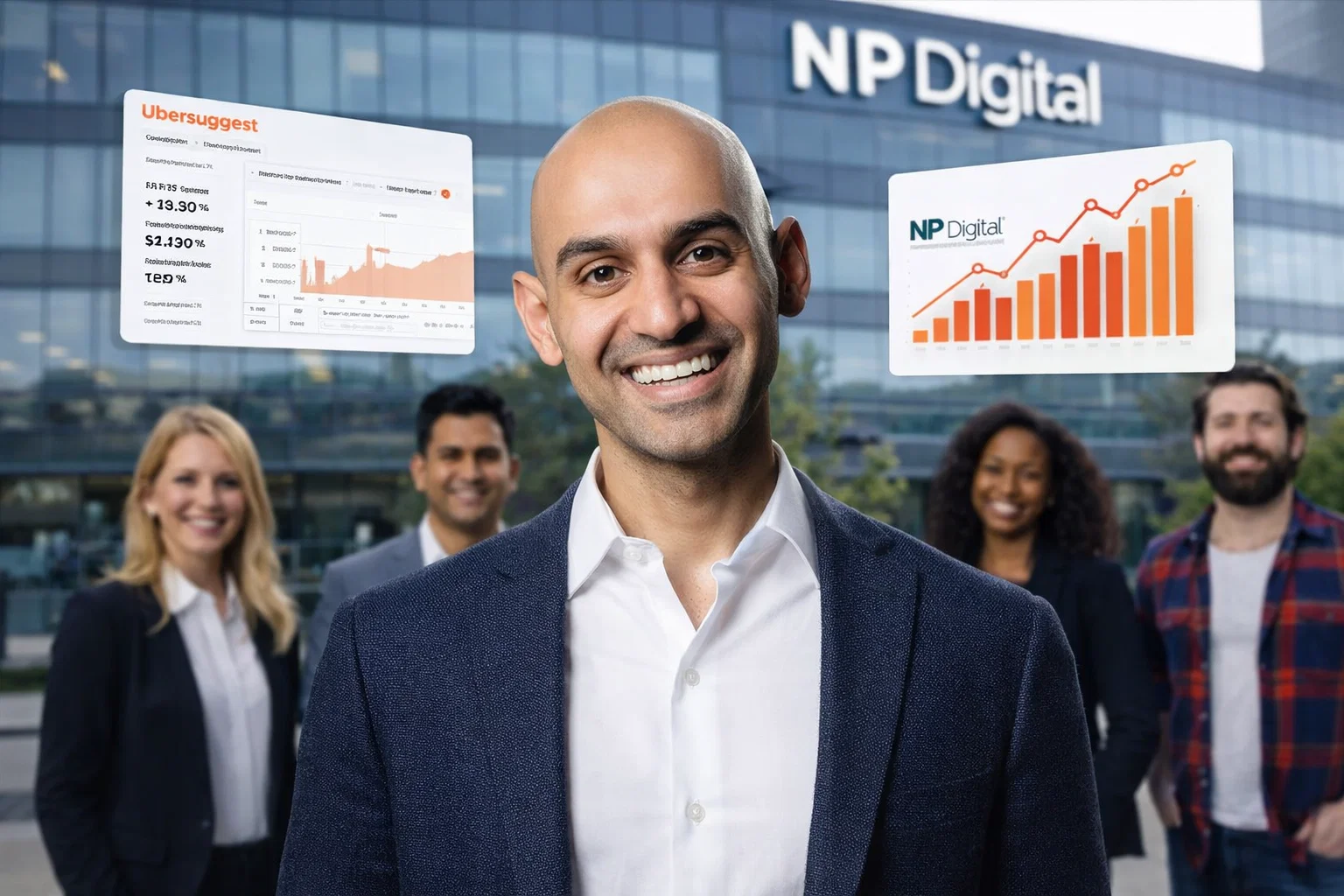
I have known Neil since high school. I watched him spend over a decade building one of the most recognized personal brands in digital marketing. Blogging. Speaking. Creating tools. Publishing content consistently until "Neil Patel" became synonymous with SEO and online growth.
By the time he launched NP Digital, the brand moat was already built. He did not need to cold-pitch enterprise clients. The brand brought them in. NP Digital has grown to over a thousand employees.
What most people do not see: Neil's brand did not create a distribution moat alone. Over time it created:
A data moat through tools like Ubersuggest
A product depth moat through years of content and methodology
Switching costs for clients are integrated into his ecosystem
Every moat traces back to the brand that came first.
Kimberly Snyder, From Nutritionist to Interconnected Ecosystem

When I started working with Kimberly, she was a talented nutritionist. There are thousands of talented nutritionists. What we built was an interconnected ecosystem that functioned like a personal media company.
The moats we built:
Distribution moat: Blog grew from 30,000 monthly visitors to 5 million annual visitors. 60 million pageviews across 200+ countries.
Switching cost moat: 150,000 email subscribers reachable without relying on any algorithm
Network effect: Blog, podcast, Shopify store, 22,000-member Facebook community, Instagram, Pinterest. Each platform drove traffic and trust to the others.
Brand moat at the center: Not "a nutritionist." A world people entered and did not want to leave.
Three New York Times bestsellers. $8 to $10 million in revenue. Every result traces back to the brand that held the ecosystem together.
The cost of leaving was too high. They would have to leave the blog, the podcast, the email list, the community, the store, and the identity they built around her philosophy. That is how a brand becomes infrastructure.
Warren Phillips (NonToxicDad), Brand as Revenue Multiplier
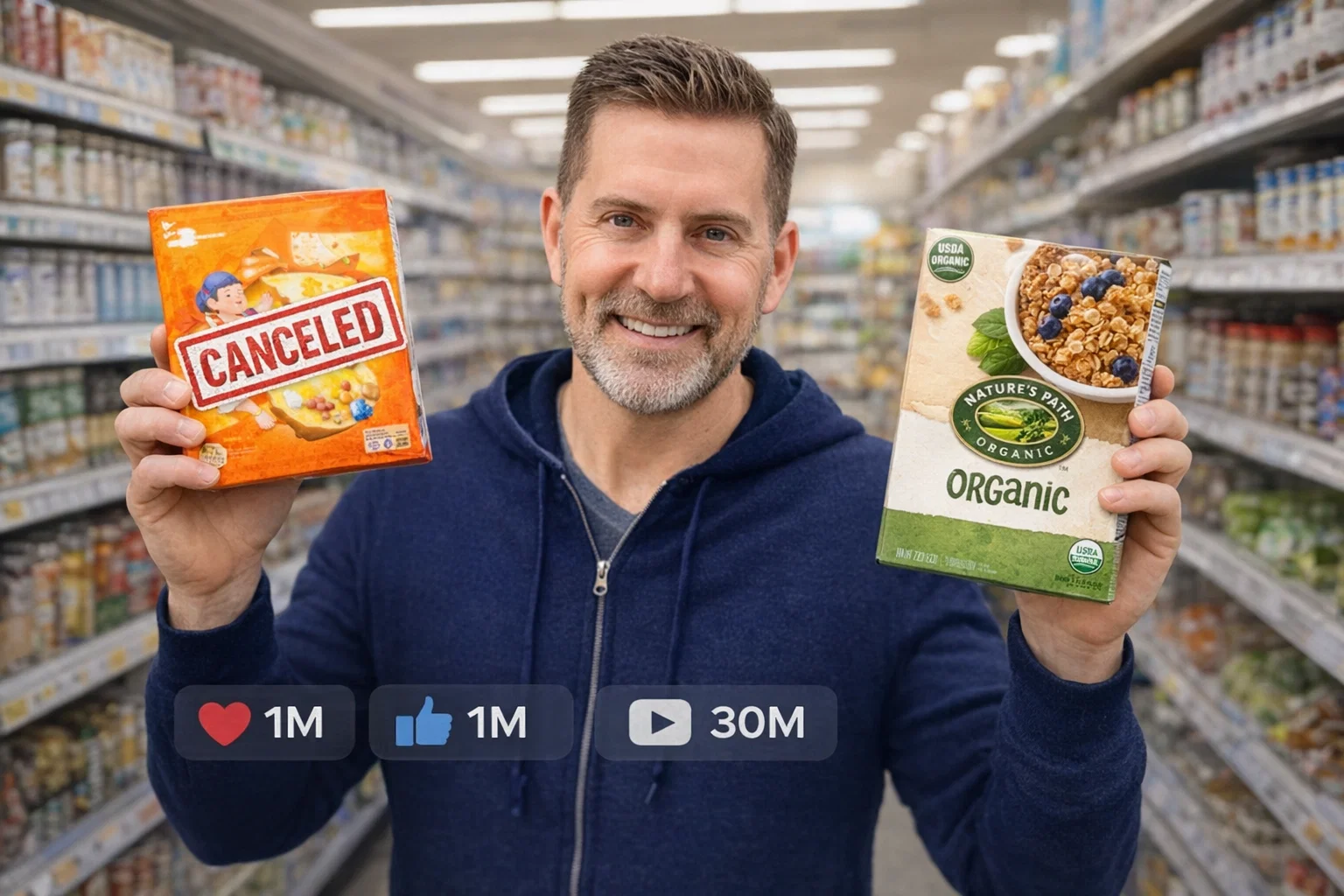
Warren had expertise and passion when we started working together. A few thousand engaged followers. But expertise alone is not a moat. It is a starting point.
We formalized his strengths into a signature content system:
Grocery store swaps format
An instantly recognizable hook: "This product is canceled."
Step-by-step education on how people consume social media
NonToxicDad grew to over a million followers. 30+ million views monthly.
The real moat was not the follower count. It was what the brand unlocked:
Partnerships came to him instead of the other way around
Speaking opportunities on stages he did not pitch
Dramatically reduced the cost of customer acquisition
When a million people know your name and trust your expertise, every product launch starts from strength instead of cold outreach. That is a brand as a business moat. Not vanity metrics. Structural advantage.
Alex Hormozi, Brand as Business Strategy
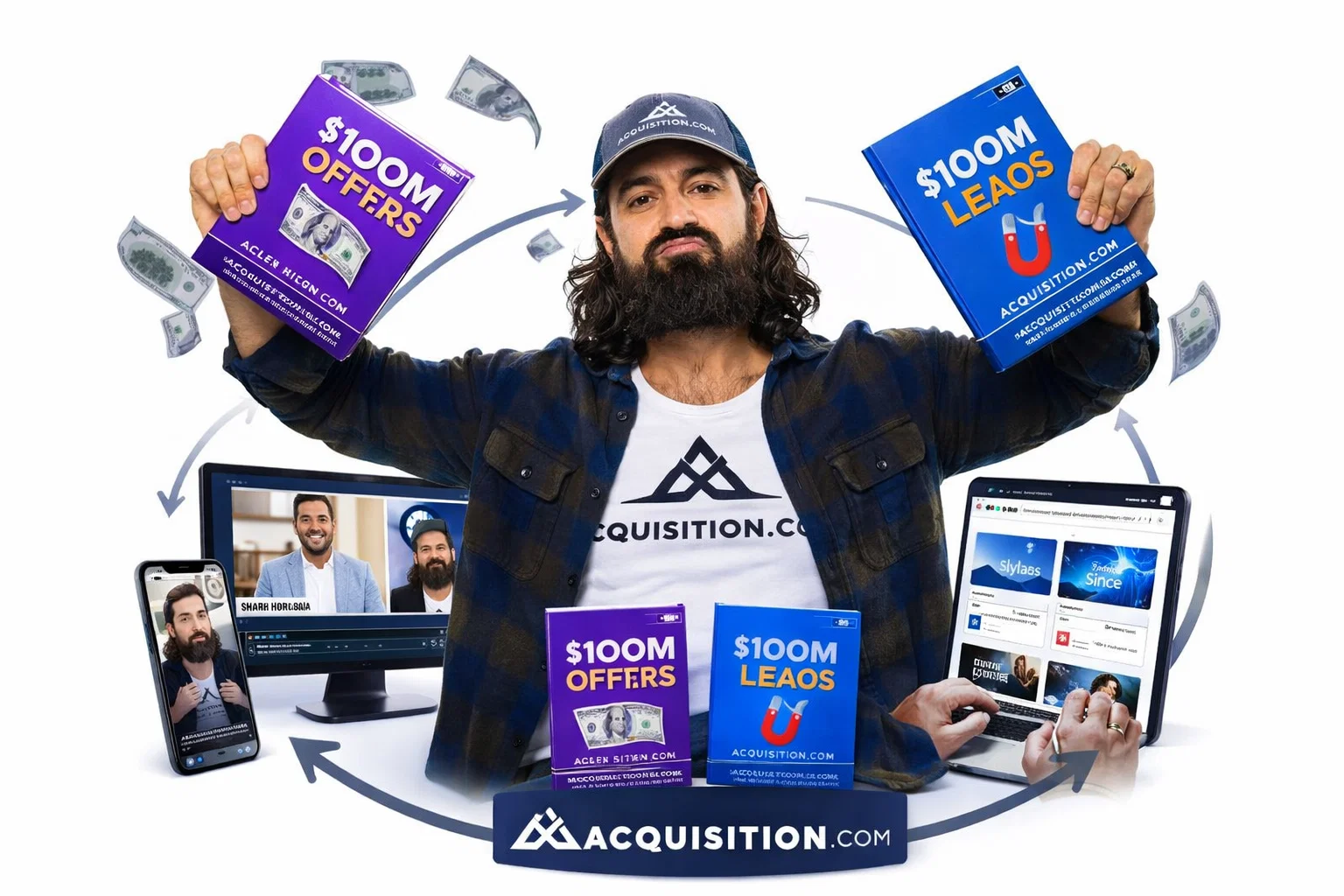
Hormozi built Acquisition.com as a brand ecosystem where short-form drives awareness, long-form deepens trust, books anchor authority, and every piece feeds the same identity across multiple touchpoints.
With Sharran Srivatsaa as CEO, they are not running a company. They are building a brand that compounds.
Each piece of content, each portfolio company, each initiative reinforces the Hormozi brand → creates distribution for the next thing → deepens the moat.
Brand is not separate from business strategy. Brand IS business strategy.
The Brand Moat Framework: What Separates a Real Moat From a Social Media Presence
Not every personal brand becomes a moat. Posting on Instagram does not make you defensible. Here is what separates a real brand moat from a social media presence:
1. Owned Distribution: Your brand lives on platforms you control. Website. Email list. Blog. Podcast. These are assets that turn brands into infrastructure. Algorithms change. Owned channels do not.
2. Category Association When someone thinks about your space, your name is first. Neil is SEO. Kimberly is a beauty detox. Warren is a non-toxic living. The brand does not participate in the category. It defines it. This is Personal Brand Authority at its core.
3. Ecosystem Depth The brand exists across multiple interconnected touchpoints. Blog, email, social, podcast, community, products. Each feeds the others. The audience can enter from any direction and go deeper. This is the biology of brand building, interconnected systems that keep the organism alive.
4. Compounding Returns Every new piece of content, every partnership, every product makes the brand stronger, not bigger. The moat gets wider over time. This is what Return on Attention Created (ROAC) measures, not how much attention you capture, but how much value that attention compounds into.
When all four are in place, the brand stops being a marketing channel and becomes the most valuable asset in the business.
Why Brand Is the Only Moat AI Cannot Replicate
AI can replicate products, features, and data advantages faster than ever. The cost of building software is collapsing. The cost of creating content is collapsing. Barriers to entry for almost every industry are lower than they have ever been.
The moat that matters most is the one AI cannot replicate: a human brand that people trust, follow, and buy from because of who it is, not what it sells.
This is why personal branding is the only AI-proof business strategy. The founders who understand this are building personal media companies with owned distribution, signature content systems, and interconnected ecosystems that compound over time.
Every durable business has a moat. Most founders build the wrong ones first. They optimize products. Chase features. Post content without a system behind it.
The people who win build brands first and let every other competitive advantage grow from that foundation.
The question is not if the brand is a real moat. It is if you are building yours, or hoping your product will be enough.
It will not be.
Frequently Asked Questions
What makes a brand a competitive moat?
Brand creates a compounding loop: brand → distribution → data → product depth → switching costs → stronger brand. When a brand becomes the default in someone's mind, the brain stops evaluating alternatives. Competitors need to be 10x better to unseat an established brand, not 10% better.
What is the Brand Moat Framework?
Four elements: owned distribution (platforms you control), category association (your name is first when people think of your space), ecosystem depth (multiple interconnected touchpoints), and compounding returns (every new asset makes the brand stronger, not bigger).
Why does brand come before other moats?
Salesforce, Shopify, and Slack all built brands first. The ecosystem, network effects, and switching costs came later, built on top of a brand that already owned the category. Brand creates gravity. Everything else orbits.
Can AI replicate a brand moat?
No. AI can replicate products, features, and data advantages. It cannot replicate the trust, identity, and emotional connection that a human brand creates. Brand is the moat AI makes more valuable, not less.
How did Kimberly Snyder's brand become a moat?
Distribution moat (5M annual visitors), switching cost moat (150K email subscribers), network effect (interconnected blog, podcast, store, community), and brand moat at the center holding everything together. $8-10M in revenue. The cost of leaving the ecosystem was too high.
What is the difference between a brand and a brand moat?
A brand is recognition. A brand moat is when that recognition creates structural business advantages, owned distribution, category association, ecosystem depth, and compounding returns, which make you genuinely hard to compete with.


